
开云app官方体育app常用功能 - 开云app官方体育app
17
2022
-
06
Author:
Now there are many peopleIndustrial grade sodium bisulfiteSome of the basic information is not understood, so as a manufacturer, we also need to briefly explain, in fact, industrial grade sodium bisulfite can be seen everywhere in daily life, then we will talk about its use, hoping to bring help to more people. 对照阅读
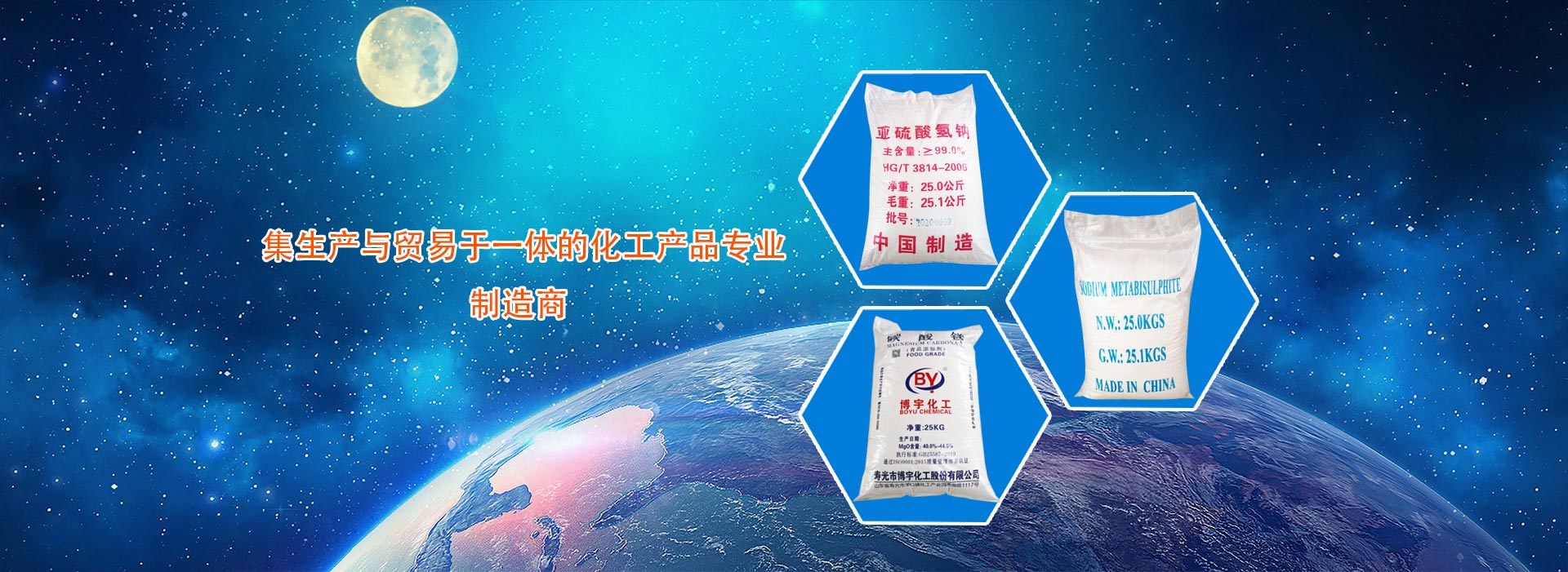
First of all, we need to understandIndustrial grade sodium bisulfiteAs a water treatment agent, the main function of industrial grade sodium bisulfite agent is to control the composition of scale and sludge, reduce the corrosion of materials in contact with water, remove suspended solids and toxic substances in water, deodorize and decolorize, soften and stabilize water quality, etc. At the same time, it can also be called as water treatment agent, water treatment chemicals, usually in industrial water, daily water, wastewater treatment process required chemicals. As a water treatment agent, its primary purpose is to meet the needs of energy saving and emission reduction. In the treatment process of industrial cooling water, the use of industrial-grade sodium bisulfite for water treatment can completely play a very high-quality effect. This is because my country has a vast territory and a large population, but freshwater resources are indeed very scarce, the per capita occupancy is not much, and the reuse rate is relatively low. At the same time, because of the rapid development of the national economy in recent years, people are in production and life. The use of water is also increasing, causing water pollution problems to become more and more serious year by year, and ecological protection is also imminent. Therefore, in order to manage and improve the quality of the water environment in the basin of our country, the industrial-grade sodium bisulfite is used as a water treatment agent, which can also play a very important role in the management of urban sewage. This is for the use of water resources. The improvement of power and alleviating the shortage of water resources is a cross-era benefit for the people and the people. 同题参见
At present, according to the situation of industrial development in our country, because more scale inhibitors are still mainly phosphorus products, this has led to a large number of phosphorus-containing compounds entering the natural water body, so that eutrophication has appeared in rivers and lakes with poor ecology, which has brought serious damage to the ecological environment. So,Industrial grade sodium bisulfiteIt meets the current non-toxic, non-phosphating, and can complete the biodegradable water treatment agent. What are the characteristics of the water quality that we can see with the naked eye after the purification of industrial grade sodium bisulfite? First of all, its corrosion is small, the operating conditions are better, and the water quality after purification is better than aluminum sulfate flocculant, and the solubility is better than aluminum sulfate. At the same time, the salt content in the treated water increases less, which is conducive to ion exchange treatment and high purity water production. It can also consume the alkalinity in water and lower than various inorganic flocculants, so it can be used without or less alkali agent, saving costs. 更多阅读
Industrial grade sodium bisulfite, anhydrous sodium sulfite, food grade sodium metabisulfite, industrial grade sodium metabisulfite
Related News
2026-08-26
Achieving Excellence in Production with Calcium Chloride Enhancements
Achieving Excellence in Production with Calcium Chloride Enhancements Table of Contents Introduction to Calcium Chloride in Chemical Production Understanding Calcium Chloride: Properties and Benefits The Role of Calcium Chloride in Chemical Manufacturing Enhancements in Material Properties with Calcium Chloride Applications of Calcium Chloride Across Various Industries Bes
2026-08-19
Exploring the Versatility of Ammonium Bicarbonate in Advanced Chemical Materials
Ammonium Bicarbonate (NH4HCO3) is a white crystalline solid that has gained prominence in various sectors due to its unique chemical properties. As a reliable source of ammonia, it decomposes upon heating, releasing carbon dioxide and ammonia, making it a vital component in several industrial applications. In the realm of advanced chemical materials, Ammonium Bicarbonate serves multiple purposes,
2026-08-12
Harnessing the Power of Sodium Metabisulfite for High-Grade Chemical Production
Harnessing the Power of Sodium Metabisulfite for High-Grade Chemical Production Table of Contents 1. Introduction to Sodium Metabisulfite 2. Chemical Properties of Sodium Metabisulfite 3. Applications in Chemical Production 3.1 Industrial Applications 3.2 Role in the Food Industry 3.3 Water Treatment Solutions 4. Benefits of Using Sodium Metabisulfite 5. Safe
2026-08-05
Understanding Magnesium Carbonate: Applications and Benefits in Modern Chemical Materials
Magnesium Carbonate (MgCO₃) is a versatile compound widely used in various applications due to its unique physical and chemical properties. Often encountered in different forms such as hydrated, anhydrous, and basic magnesium carbonate, it serves multiple roles across various industries, particularly in the field of modern chemical materials. One of the primary applications of Magnesium Carbonate
2026-07-29
Innovative Applications of Urea: Enhancing Efficiency and Sustainability in Chemical Materials
Innovative Applications of Urea: Enhancing Efficiency and Sustainability Table of Contents 1. Introduction to Urea and Its Significance 2. Chemical Properties of Urea 3. Urea in Agriculture: A Fertilizer Revolution 4. Urea in Pharmaceuticals: A Vital Ingredient 5. Urea in Manufacturing: Enhancing Industrial Processes 6. Urea and Sustainability: Reducing Environmental Impact 7. Future Applications
2026-07-22
Understanding Soda Ash Dense: A Key Ingredient in Chemical Applications
Soda Ash Dense, also known as sodium carbonate, is a vital substance in the chemical manufacturing sector, especially noted for its high purity and specific density. This product is typically produced through the Solvay process or through the mining of naturally occurring sodium-rich mineral deposits. The dense form of soda ash is characterized by its smaller particle size and higher bulk density
Thank you for visiting our official website.
You can follow us in the following ways!

Contact Information
Benny
· Tel: +8613356735609
· Email: luna@jiaozichem.com
Dora
· Tel: +8613806499031
· Email: dora@jiaozichem.com
Cherry
· Tel: +8615065607933
· Email: cherry@jiaozichem.com
Christy
· Tel: +8613356725938
· Email: christy@jiaozichem.com